In a Half-shell
Why oysters?
Growing up in New Hampshire and visiting coastal beaches throughout my childhood truly inspired my love for the ocean and everything that lives in it. As a former Biology major at RWU, I’ve changed my focus from studying the fish to preparing the fish! Shellfish in particular are one of my dearest favorites, and living in Rhode Island is the perfect opportunity to truly learn not just how to prepare them, but also why they thrive here!
Is Harvesting Legal?
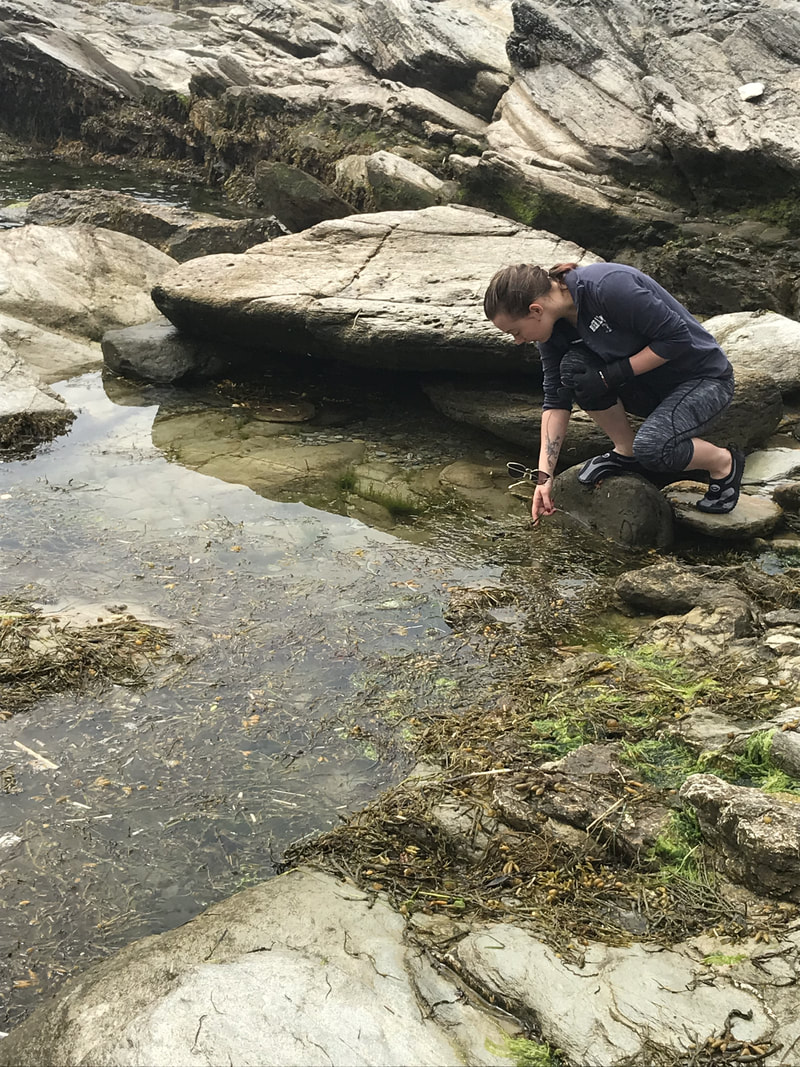
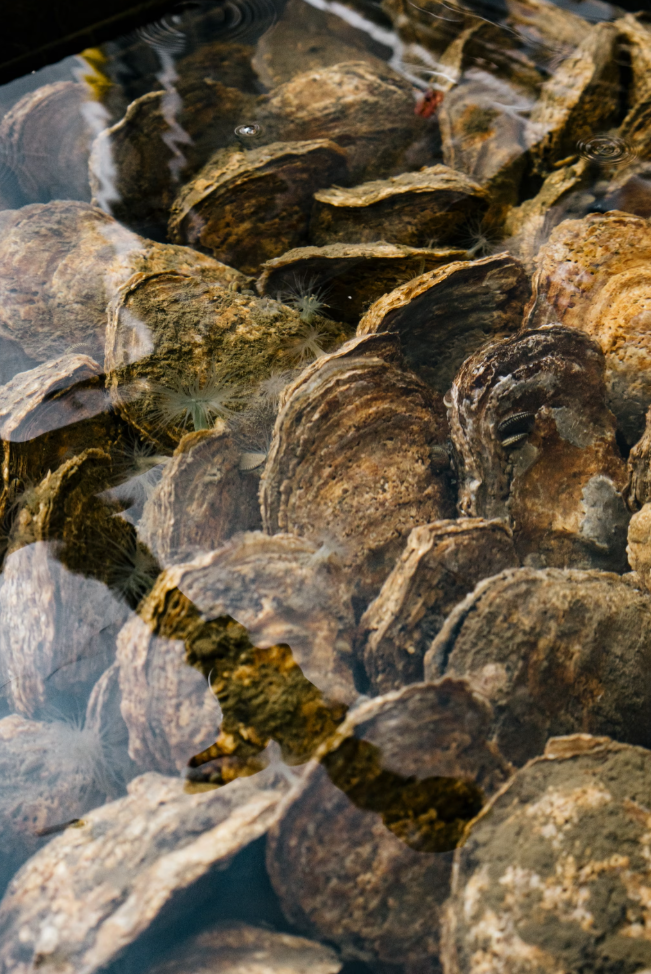
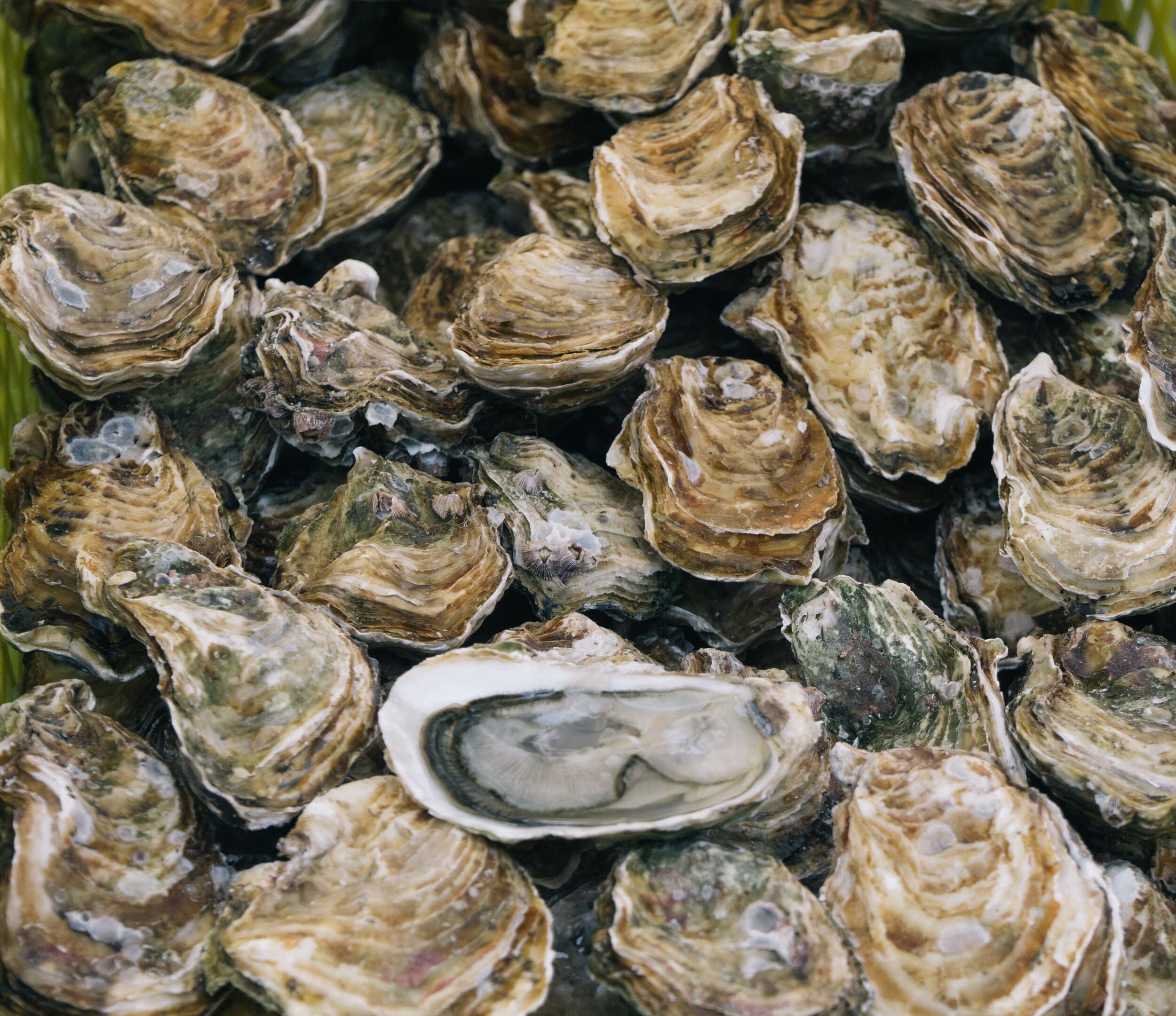
Yes! Of course, harvesting oysters as a Rhode Island resident is legal. The best part? You don’t need a license or permit to do so! Each person can recreationally gather 1/2 a bushel of oysters a day. (That’s almost 4 gallons!) The season runs from September 15 to May 15th, and to harvest, they must be at least 3 inches long.
Does this hurt the environment?
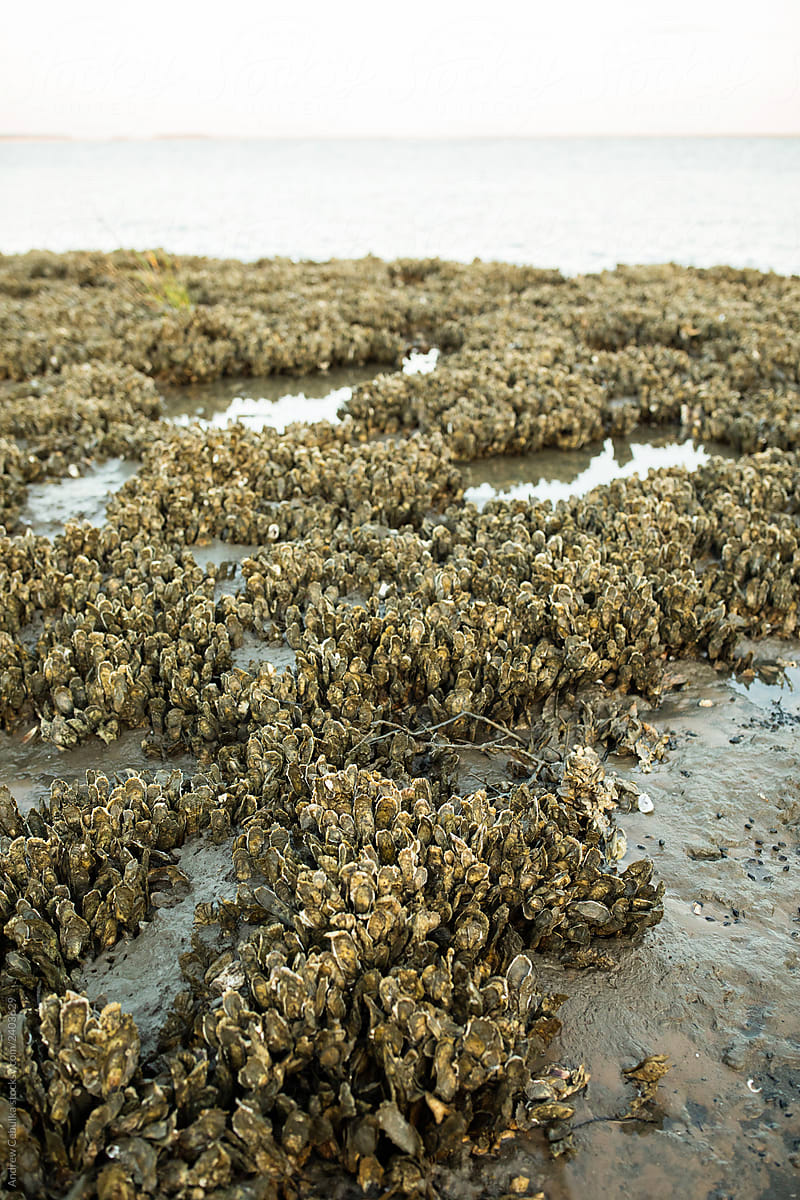
No, harvesting the legal amount of oysters per person each day does not harm the environment. This is because where the oyster beds are, it is the perfect mix of freshwater, saltwater, and algae blooms! Within a few years, the oysters you’ve harvested will be grown again, as long as we are harvesting responsibly.
Ways To Prepare
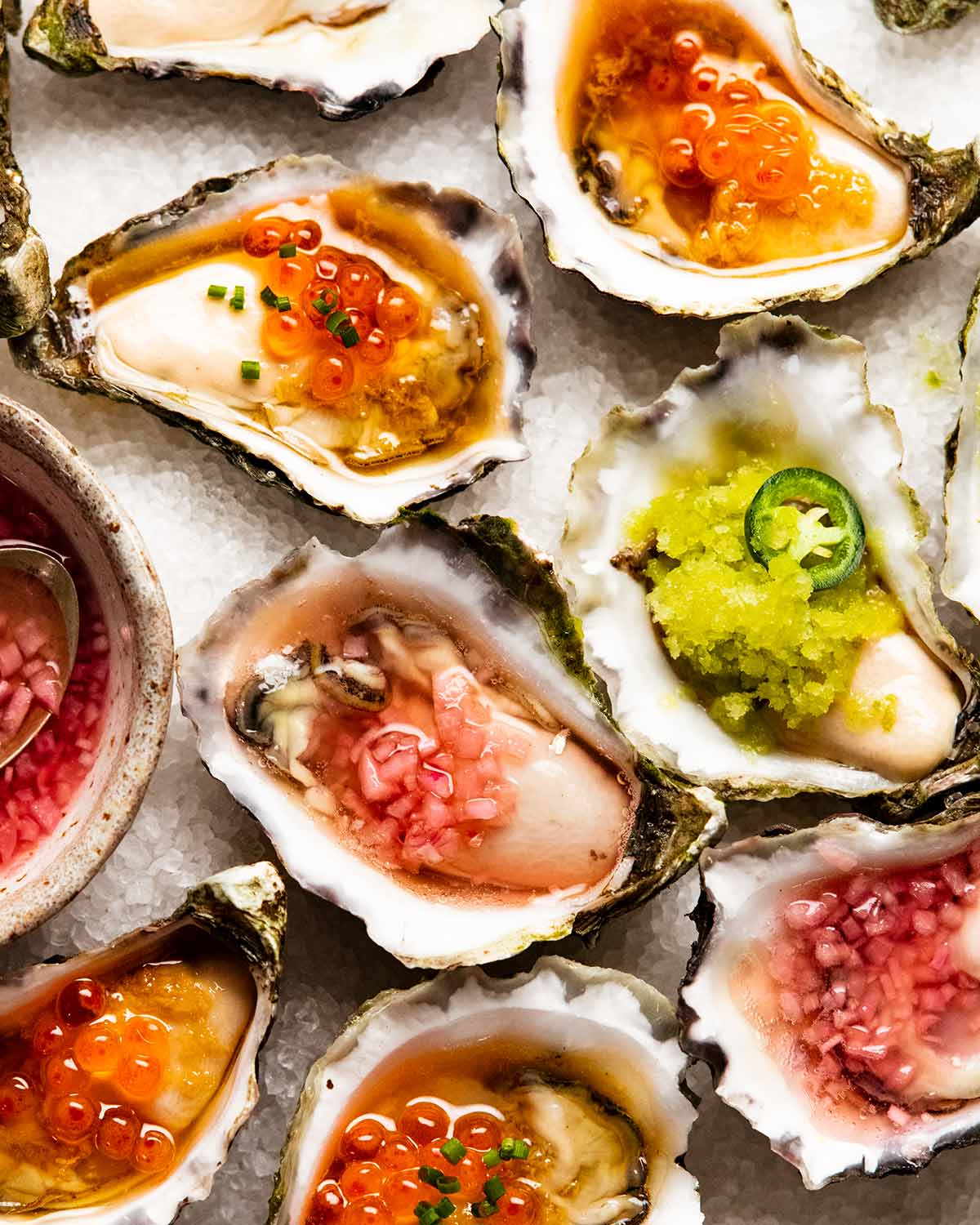
There are many ways to prepare oysters! Personally, I prefer the quick way: Shuck the oyster, toss some mignonette and a splash of lemon juice on it, and enjoy on the half-shell! However, not everybody loves the texture and taste this way. Smoked, grilled, pickled, broiled, there are dozens of ways to prepare them!
One of the most popular ways to prepare oysters is to bread them in cornmeal and fry them in a pan with oil! I’ve never tried them this way, but it sounds great- like a chicken nugget of the sea!
the job of oysters
Oysters are natural filters! They naturally enhance the costal environment by filtering up to 50 gallons of water per day! They remove excess nitrogen, algae, and sediment to improve water clarity. With these natural water filters, they create the perfect environment for other shore inhabitants to thrive, too! They create essential habitats for fish and crabs, and even function as a protective barrier against harsh storms and erosion.
How to shuck an oyster
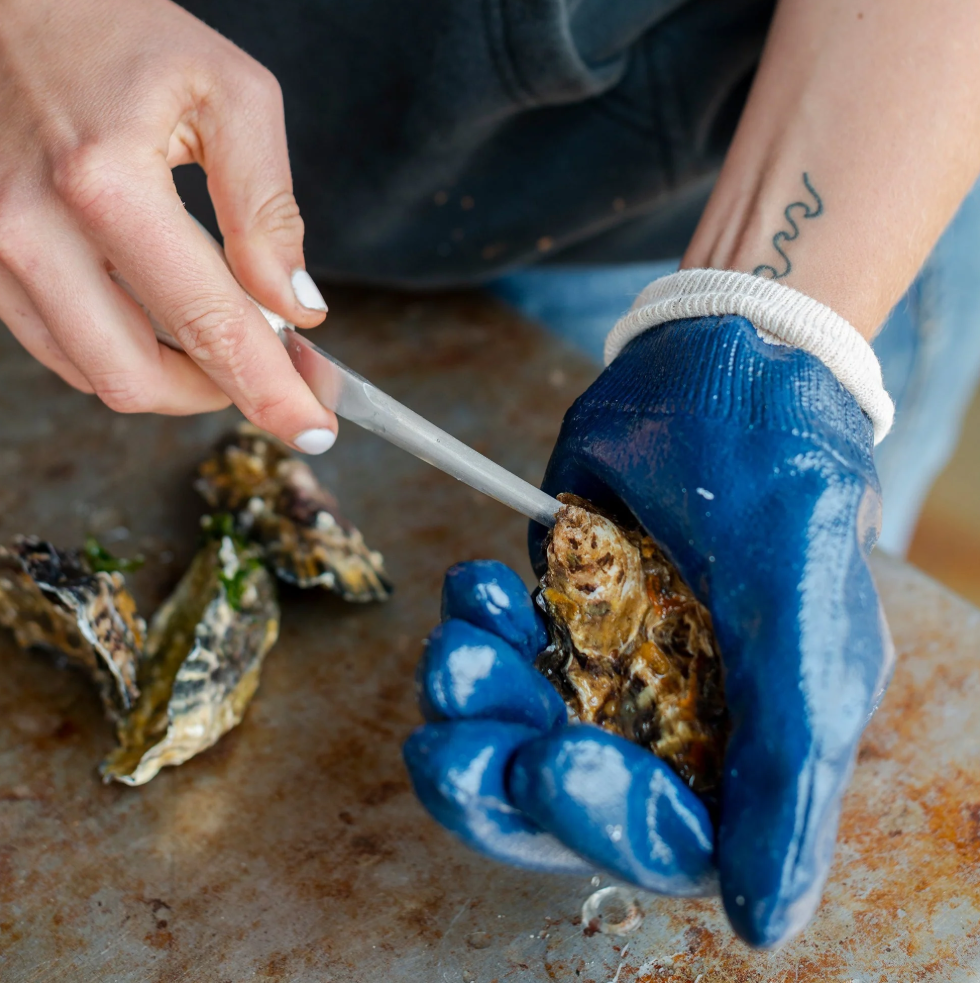
Shucking an oyster takes some effort! You’ll need a shucking knife, an oyster, and a towel or cut-proof glove. Firstly, clean your oyster under cold water and hold it firmly in your gloved/towel hand. Then, place the oyster flat side up- I like to call this its belly. Position the oyster so that the hinge(the back pointed end) of the shell is facing you, and insert the tip of your oyster knife into the hinge. Next, twist your knife until the shell pops open. Wipe the knife off, and then slide it along the inside of the top shell to slice the adductor muscle. Then, remove the top shell and discard it. Finally, run the knife underneath the oyster to loosen it from the shell. Eat as is, or add toppings and enjoy!
The world is your oyster, start shucking!
Location
Bristol, RI
Phone
(603) 290-4573
elizabethclow1@gmail.com